Reverse lunges offer a simple but effective way to work the lower body, particularly the glutes. According to certified personal trainer BB Arrington, CPT, the exercise is gentler on the joints and safer for beginners compared to classic lunges.
How to do reverse lunges
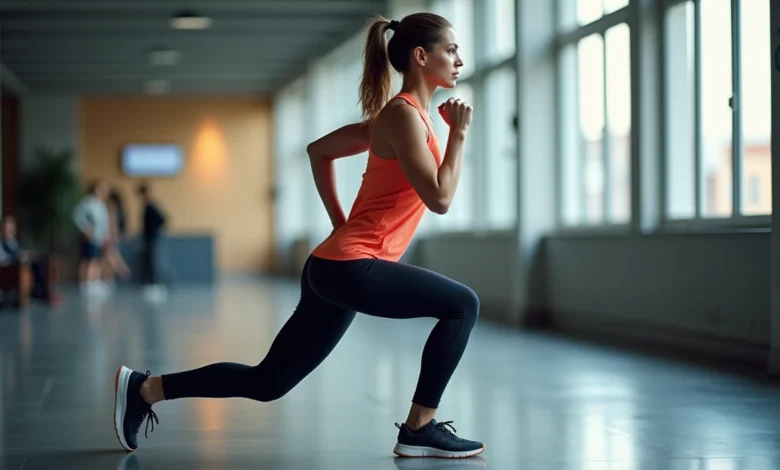
Start in a standing position. Optionally, hold a weight in the left hand. Step the left foot back a short distance. Hinge at the hips, keeping the hips square, and bend both knees to lower the left knee toward the ground. Hold the position for three seconds, then push through the front foot to return to the starting position. That completes one rep.
Tips and modifications
For beginners still building strength, the weight can be omitted and hands can be placed on the hips. Arrington recommends keeping the hips square to properly target the muscles. Engage the core throughout the movement. To coordinate breathing, exhale while stepping back and lowering the knee, and inhale while returning to the start.
What are the benefits
Compared with a forward lunge, which primarily works the quadriceps, the reverse lunge places more emphasis on the glutes. Arrington explained, “In a reverse lunge, we get a good stretch in the glutes, though your quads and your hamstrings are helping you as well.” The movement also puts less strain on the knees, making it a good option for anyone with knee issues. When done with added weight and with core engagement, the reverse lunge becomes a full-body move that also targets the arms and abs. Because one foot steps backward, the exercise requires balance.
A related read indicates that women use this exercise to help build lean muscle. The next time someone works out, reverse lunges can be included in leg day or as part of a full-body routine. Despite its simplicity, the exercise can lead to noticeable strength gains.