
Most Americans do not know the details of their own digestive patterns, according to a new report. A survey found that while many people track health metrics like steps or sleep, only 6 percent track their bowel habits. This lack of information creates a gap in personal health data, experts say.
Digestive issues are widespread. Research shows that 61 percent of U.S. adults experience at least one gastrointestinal symptom each week, such as constipation, diarrhea, bloating, gas, or heartburn. Data from the American Gastroenterological Association indicates that nearly 40 percent of Americans say bowel symptoms have disrupted their normal daily activities in the past year.
Despite these numbers, most people rely on memory to describe their bathroom habits to doctors. Memory is often unreliable. Studies show that people tend to remember unusual events but forget routine ones, a problem known as recall bias. This makes it hard to notice gradual changes in digestion that could signal a health issue.
Health is measured in patterns, not single moments. Doctors track blood pressure over time, not just one reading. Cholesterol is monitored across years. The same logic applies to digestive health, but most people lack a consistent record of their own bathroom habits.
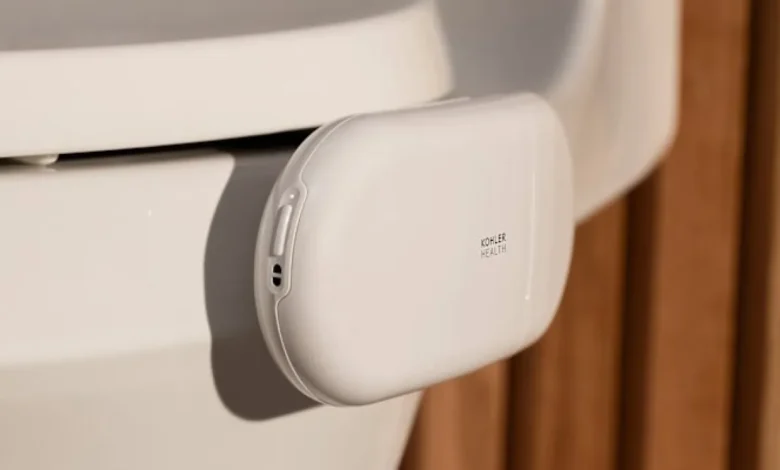
A new tool from Kohler Health aims to solve this problem. The product, called Dekoda, is a tracking device that fits onto a toilet. It works passively in the background, capturing information about bathroom habits without requiring the user to remember anything. The data is sent to the Kohler Health App, where users can review long-term trends.
Dekoda tracks hydration status and bowel movement patterns, including frequency and consistency. It can also detect the presence of blood, which may be a reason to talk to a healthcare provider. Over weeks and months, these measurements can reveal meaningful patterns that help people understand their digestive health and make informed decisions about their wellbeing.
The goal is to close the data gap in one of the most information-rich daily health habits. Just as wearable technology changed how people understand sleep and activity, this approach applies the same idea to the bathroom. While it will not answer every health question, it can help ensure that digestive health is no longer overlooked in personal health tracking.