
A large, long-term study has found that people who consume more polyphenols, naturally occurring compounds in plant foods, may have a lower risk of developing type 2 diabetes. The research, from the Brazilian Longitudinal Study of Adult Health (ELSA-Brasil), followed 8,781 adults who did not have diabetes at the start of the study for a median period of 7.6 years.
Participants reported their food intake using a detailed questionnaire at two points during the study. Researchers used an established nutrition database to estimate their intake of polyphenols, including phenolic acids, flavonoids, stilbenes, and lignans. Polyphenols are a broad family of plant compounds, with more than 500 distinct types identified in common foods. Beyond their known antioxidant properties, research suggests they may help the body manage blood sugar, respond to insulin, and control inflammation.
Over the course of the study, 1,453 participants developed type 2 diabetes. People who ate the most polyphenols overall were 19% less likely to develop the condition compared to those who ate the least. When researchers looked at specific types of polyphenols, the associations were stronger. Phenolic acids, hydroxycinnamic acids, flavonoids such as flavan-3-ols, flavones, and anthocyanins, and stilbenes were each linked to a 13% to 27% lower risk.
The study also found that people with the highest intakes of total polyphenols, phenolic acids, and stilbenes showed smaller increases in insulin resistance over time. Insulin resistance, when cells stop responding efficiently to insulin, is a primary way type 2 diabetes develops. The study did not find significant links between polyphenol intake and fasting blood sugar or HbA1c, a longer-term blood sugar marker. Because this was an observational study, it shows associations rather than direct cause and effect, though the large sample size and long follow-up period lend weight to the findings.
The top contributors to polyphenol intake in this study were not exotic superfoods. Coffee accounted for nearly 40% of total polyphenol consumption. It was followed by red wine, yerba mate tea, orange juice, and oranges. These five foods alone made up the majority of polyphenol intake across the study population. The specific order may vary depending on dietary habits in different regions, but the underlying principle holds: polyphenols are concentrated in a handful of commonly consumed foods and beverages, and regular intake of even a few of them can add up over time.
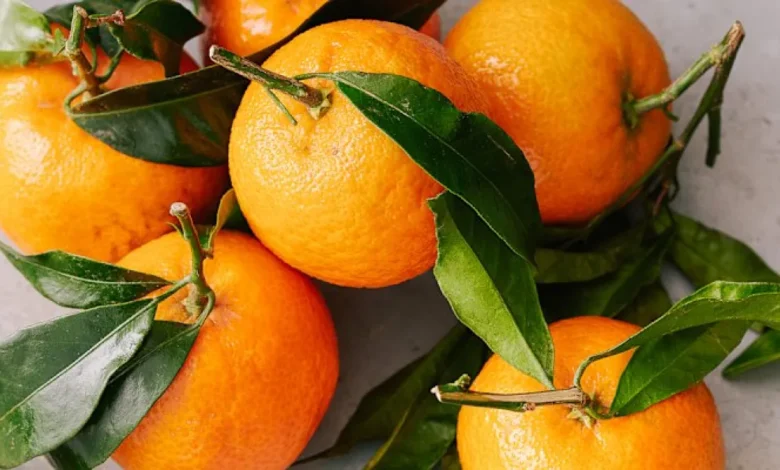
For those looking to increase their polyphenol intake, coffee was the standout contributor in this study. If you are already a daily coffee drinker, you may be getting more metabolic support than you realize. Citrus fruits and juices, such as oranges and orange juice, were also among the top sources and provide an easy daily addition. Yerba mate tea, less familiar to some, ranked third in this cohort and is worth considering for those who want to diversify beyond coffee.
The takeaway from this research is that polyphenol-rich foods were linked to up to a 27% lower risk of type 2 diabetes in a large, long-term cohort study. Higher intake was also tied to slower progression of insulin resistance over time. The most protective foods in the study were not supplements or specialty items but everyday choices like coffee, citrus, and tea. Consistent dietary choices appear to carry real metabolic weight.