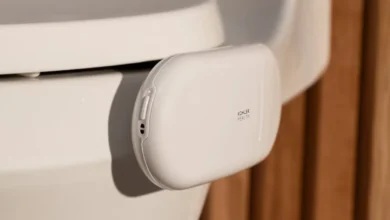

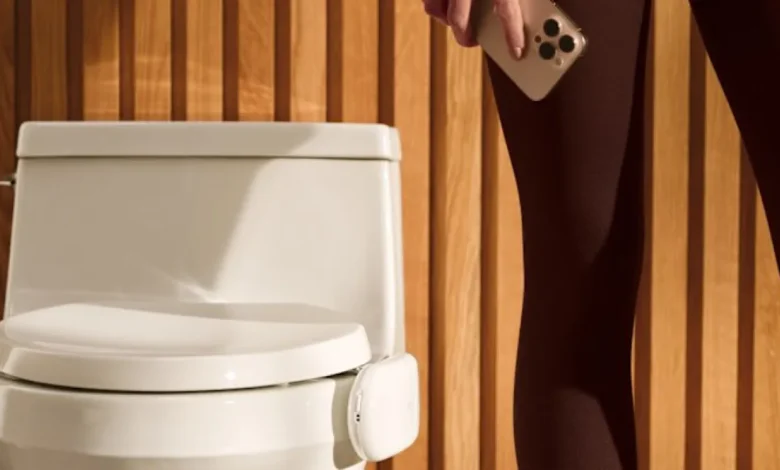
A new device from Kohler Health, called the Dekoda, aims to track digestive health by monitoring bathroom habits. The tool attaches to a toilet and captures biometric signals related to hydration, gut health, and the presence of blood. It is being marketed as a first-of-its-kind device for the bathroom, an area where objective health data has been difficult to collect.
Surveys indicate that 60% of Americans own at least one wearable tracking device. These devices are used to count steps, monitor sleep, track heart rate, and measure blood glucose. At the same time, interest in gut health has grown, with people spending billions of dollars each year on probiotics, supplements, and digestive wellness products. Despite this focus on health data, most people have little objective information about their own digestive patterns.
Research over the last two decades has shown that the gastrointestinal tract has a wide impact on the body. The gut is home to trillions of microorganisms that play a role in digestion, nutrient absorption, immune function, and metabolic health. Scientists have also found communication pathways between the gut and the brain, known as the gut-brain axis. A large part of the body’s immune system is located in the gut, and the gut is central to nutrient absorption and blood sugar regulation.
Healthcare providers often ask patients about their bowel habits during routine visits. These patterns can provide clues about what is happening in the body and can flag changes that may need attention. However, most people rely on memory and subjective observations, which are often inconsistent. Many people do not know if their hydration levels fluctuate, what their normal bowel movements look like, or what their baseline habits actually are.
Obvious symptoms like bloating, constipation, or discomfort do not always tell the full story. By the time these symptoms become noticeable, changes may have already been developing. Healthcare professionals often focus on trends over time rather than isolated events. Understanding a personal baseline makes it easier to recognize when something shifts. This can help determine whether lifestyle factors, stress, hydration, or diet are affecting digestive health.
The Dekoda device works passively in the background. It attaches discreetly to the toilet and captures data without requiring the user to do anything extra. The information is sent to the Kohler Health App, where users can monitor trends and establish personal baselines. The device tracks hydration levels by learning what is normal for each user and flagging subtle shifts. It also reads markers like consistency, color, and volume to build a baseline for gut health, using algorithms trained on the Bristol Stool Chart, a clinical standard for classification.
The device also flags the presence of blood, an important signal that can be easy to miss. It keeps a daily record of results that users can bring to their healthcare provider. The goal is to turn a routine bathroom visit into objective data that can be used to understand patterns related to stress, diet, travel, sleep, or activity.
The wearable device market has already brought health tracking from clinical settings into everyday life. Information that once required specialized equipment is now captured by devices worn on the wrist. Kohler Health is attempting to bring that same shift to digestive health, focusing on a part of daily life that has largely been ignored by health tracking technology.