
Spinach has long been known as a source of iron, but a dietitian explains that it may not be as effective as commonly believed. While the leafy green does contain iron, the body absorbs it poorly compared to iron from animal sources.
A cup of cooked spinach provides about 6 milligrams of iron, and a cup of raw spinach offers closer to 1 milligram. The recommended daily intake is around 18 milligrams for women and 8 milligrams for men. However, spinach contains non-heme iron, a type found in plant foods. The body absorbs non-heme iron far less efficiently than heme iron, which comes from animal proteins such as meat, poultry, and seafood. This means only a fraction of the iron in spinach is actually used by the body.
Spinach also has high levels of oxalates, naturally occurring compounds that can bind to minerals and reduce their absorption. Oxalates can form less soluble compounds in the digestive tract, making minerals less available for the body to use. Some research suggests that oxalate-rich foods may have little effect on non-heme iron absorption, but pairing spinach with ingredients that boost iron intake is still recommended.
Improving Iron Absorption from Spinach
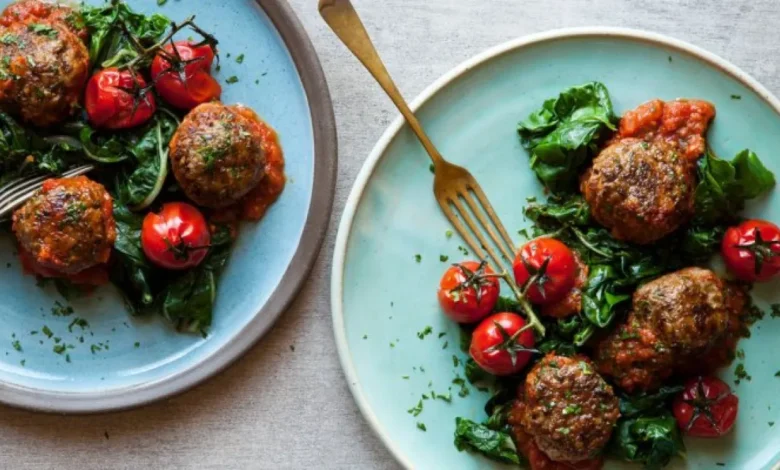
To get more iron from spinach, it should be paired with a source of vitamin C. Vitamin C can enhance the absorption of non-heme iron. Options include adding spinach to a salad with bell peppers and strawberries, serving it with tomatoes or citrus, or squeezing lemon juice over cooked spinach.
Cooking can also help reduce the oxalate content of spinach, especially when the spinach is boiled and the cooking water is discarded. Some soluble oxalates leach out into the water during cooking, though cooking does not remove all oxalates.
Other Sources of Iron
For those looking to increase their iron intake, a varied diet that includes both heme and non-heme iron sources is advised. Rich sources of heme iron include oysters and other shellfish, beef and other red meat, organ meats such as liver, sardines, tuna, and chicken or turkey.
Plant foods also contribute significant iron. Good non-heme sources include lentils, beans such as white beans, kidney beans, and chickpeas, tofu and tempeh, pumpkin seeds, cashews, quinoa, spinach and other leafy greens, and iron-fortified breakfast cereals.
Spinach remains a nutrient-dense food, providing fiber, folate, vitamin K, carotenoids, and other beneficial plant compounds. It is not unhealthy, but it should not be the only strategy for meeting iron needs.
Iron Supplements
For individuals with low iron levels, which are most accurately measured through a ferritin blood test, iron supplements are often used. Low iron is common in women due to monthly blood loss from menstruation, high physical demands, and lower intake of heme iron sources. The right dose of an iron supplement varies by person, and high-dose supplements should be overseen by a physician. Supplements with chelated iron are often gentler on the stomach.
The takeaway is that while iron can be absorbed from spinach, it is not the best source due to its non-heme iron and high oxalate content. A focus on a varied diet with both heme and non-heme sources, along with pairing plant-based iron with vitamin C, is recommended for adequate intake.